At the height of uncertainty, many families arriving in Colombia faced a daily question: Will we eat today?
For Marisol, a mother of three, food was never just about hunger. It was about responsibility. In the early months after migrating, stretching the household budget required constant calculation. “Sometimes I reduced my own portions so my children could eat,” she recalls.
Months later, the scene at her table looked different. Rice, vegetables, sometimes meat. The meals were still modest, but regular. Planning replaced improvisation and food was no longer a daily uncertainty, but part of a routine.
This is what food security looks like beyond statistics. And it is one of the lasting results of ADN Dignidad.
Beyond the last transfer
More than a year after the last cash transfer, participating households in the ADN Dignidad program show a sustained reduction in food insecurity, reflected in significantly lower reliance on negative coping strategies compared to similar households that did not receive support. At mealtimes, the program’s influence is visible in more stable access to food and a more varied diet. Across interviews, families described being able to include foods such as meat, eggs and dairy more regularly, alongside fruits and vegetables, while continuing to manage tight food budgets despite ongoing economic pressure.
Venezuelan migrants, Colombian returnees and host community members have held on to these changes, protecting their households and prioritizing diverse, nutritious foods. The results come from a simple idea done well: combine cash with the know-how to make it work for everyday life.
The program, led by Action Against Hunger with the Danish and Norwegian Refugee Councils and funded by USAID’s Bureau for Humanitarian Assistance, provided monthly transfers averaging USD 77 per household for six months. The approach was designed to tackle food insecurity at two levels: by increasing immediate purchasing power and by building the skills to make those resources last.
What changed at home
Thirteen to eighteen months after the last transfer, participating households scored on average two points higher on the Household Food Insecurity Access Scale (HFIAS), suggesting a sustained reduction in the frequency of food-related constraints such as skipping meals, reducing portions or compromising on food quality, The difference with similar households who did not receive support was statistically significant, showing more stable food access over time.
During the assistance period, the Household Dietary Diversity Score (HDDS), a measure of the variety of food groups consumed, improved significantly. According to the 2025 Exit Line Report, the proportion of households achieving an 'Acceptable' food consumption status rose from 33% at the baseline to 84% by the end of the program. Families reported including foods that had previously been difficult to afford (meat, eggs, cheese, fruits and vegetables) alongside staple items.
For Deyanira, a single mother of four living in Soacha, the first transfers meant being able to do a full weekly grocery shop. “The girls were happy… ‘Mom, you bought meat and fruits!’” she recalls. Beyond variety, the change meant consistency, especially important for her daughter, who requires a specialized diet.
Similarly, Héctor, a Colombian returnee in Nariño, explains that before receiving support, his family often had to choose between basic items. With the assistance, he was able to secure food regularly and stabilize rent payments, reducing the daily trade-offs between essentials.
Even after the cash stopped, some of these habits persisted. Families were more likely to plan meals, substitute ingredients in healthier ways, and shop strategically. While not everyone could maintain the same diversity, the proportion of households in severe food insecurity remained about 10 percentage points lower than in the comparison group, showing that the gains endured despite ongoing economic pressure.
Coping strategies with less harm
The evaluation also looked at the strategies families used when food was scarce using the reduced Coping Strategies Index (rCSI) to measure changes. In the control group, it was common to reduce portion sizes, eat fewer meals, or cut out protein.
Among former ADN Dignidad participants, these extreme measures were less frequent more than a year later. The program appeared to help people rely on less damaging options, such as buying in bulk when prices were lower, pooling resources with neighbors, or adjusting recipes without sacrificing nutrition.
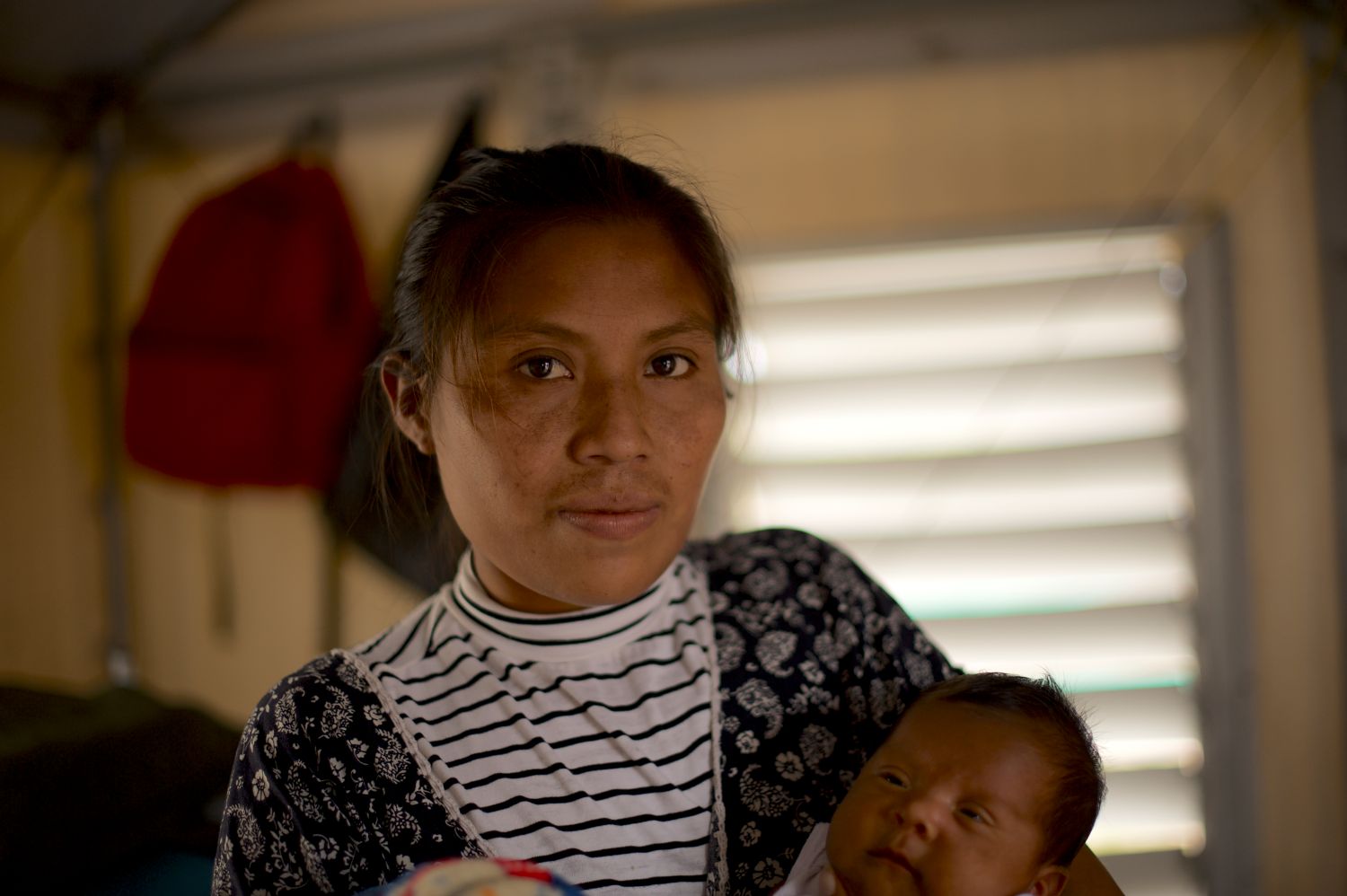
| 
|
Workshops accompanying the cash transfers reinforced these practices. As Maria Clara, a Wayúu mother in La Guajira, explained after attending nutrition sessions: “They taught me how to eat in a healthy way even with limited money”. This combination of resources and knowledge helped transform short-term relief into longer-term food stability.
For children, the impact was even clearer. Across interviews, parents consistently prioritized their children’s meals, often reducing their own portions to keep kids fed. While this protective behavior existed before, the cash transfers and nutrition guidance made it easier to maintain without compromising adult health.
For many families, food security was not just about calories. It was about safeguarding children’s growth, routines, and sense of stability.
From food security to food stability
In the program’s second phase (2022–2024), some participants began strengthening small income-generating activities. While ADN Dignidad was not a livelihoods program per se, the transfers often provided breathing space to think beyond immediate survival. For example, some participants were able to set aside a small portion of the support to plan ahead and make modest investments, helping them begin easing immediate financial pressures.
Juan, a farmer in Nariño and member of a host community, invested part of his support into improving his tomato crop. “Although the profit is not much, it is enough for food and paying the people who support me in the field,” he says. The improvement in income was modest, but it reduced vulnerability to future food shortages.
Similarly, other families used a small portion of their transfers to purchase tools or basic equipment for microenterprises, helping create more predictable earnings.
Why it worked
The evidence suggests that the success of ADN Dignidad in reducing long-term food insecurity came from its integrated design. The cash was enough to make a real difference in monthly budgets, and the accompanying workshops on healthy eating and household budgeting helped participants make informed choices. This combination addressed both the immediate need for food and the skills to manage resources in a volatile environment.
In a context where inflation, irregular incomes, and high living costs continue to push families into difficult trade-offs, sustaining these gains is a challenge. But the findings show that with the right approach, humanitarian assistance can leave a footprint that lasts well beyond the period of direct support.
More than a year later, families are still less likely to face severe food insecurity, and are more confident in protecting what matters most: regular, nutritious meals on their tables.
Read ADN Dignidad Long-term Impact Evaluation report | Read ADN Dignidad Short-term Impact Evaluation report
Comments













Good for SDG2 activities